

In 2026, pharmacy software in India costs 5,550 to 26,000 rupees once for Marg ERP's editions plus 2,000 to 9,500 a year in support, 5,400 to 29,700 a year for Marg's cloud version, and 800 to 4,500 a year for the cloud billing apps that handle batch and expiry well enough for a single counter. Small desktop vendors charge 10,000 to 25,000 a year. Building your own costs 15 to 40 lakh and is for chains only.
For a medical store doing a crore of sales a year, every option on that list is under 0.3 percent of sales. The number worth watching is expiry: on 15 lakh of stock, losing 3 percent to expired medicines is 45,000 a year, more than any software plan. Batch and expiry control is what you are buying, and it is the first thing to test.
What does pharmacy software cost?
| Product | Price | Notes |
|---|---|---|
| Marg ERP, one-time editions | About 5,550 Nano, 10,300 Basic, 13,900 Silver, 26,000 Gold, plus GST; support 2,000 to 9,500 a year | The default for independent chemists and distributors; sold through authorised partners, not online |
| MargBooks, cloud | About 5,400 to 29,700 a year | One user and one GSTIN at the entry tier |
| myBillBook | About 3,490 a year on the Plus plan | Cloud billing with batch and expiry |
| BillClap | From about 4,499 a year; a Pro Plus tier near 3,599 | Cloud billing |
| Vyapar | Free on mobile; about 3,399 a year on desktop | General billing with stock |
| Accountune | About 799 a year | Billing and accounts; lighter on pharmacy-specific workflows |
| Small desktop vendors | 10,000 to 25,000 a year on marketplace listings | Varies widely |
Prices are 2026 list prices before 18 percent GST. Marg's figures differ between sources, so get a written quote from a partner. Per-store pricing is the retail version of the per-unit shape across Indian software; a hospital's own pharmacy module is priced inside its system, in our hospital software cost guide.
The GST position, which is better than a restaurant's
Since 22 September 2025 most medicines carry 5 percent GST, down from 12, with a notified list of 36 life-saving drugs at nil and active ingredients at 18. A retail chemist on the regular scheme charges 5 percent and can claim input credit on purchases, including the 18 percent GST on software. That is unlike a restaurant on the 5 percent scheme without credit, which pays its software GST as a cost. A chemist on the composition scheme cannot claim either, so check which you are before budgeting the gross or net figure.
The rate change itself is the kind of event the software fee pays for: stock bought at 12 percent sold at 5, MRP transitions, and returns across the changeover. Every vendor shipped it; a store on a spreadsheet handled it by hand.
What does the first year actually cost?
A single medical store, 15 lakh of stock, about a crore of sales:
| Line | Cost |
|---|---|
| Marg Silver, one-time, plus GST | About 16,400 |
| Annual support from year two | About 3,500 |
| Barcode scanner and a thermal printer, once | 6,000 to 15,000 |
| Opening stock entry with batches and expiry dates | A week of someone's evenings, once |
| First year | About 25,000 to 35,000; about 3,500 to 6,000 a year after |
A cloud app brings the first year to 5,000 to 15,000, with the same hardware. Either way it is a rounding error on a crore of sales with a 16 to 20 percent margin. What is not a rounding error:
| Expiry loss on 15 lakh of stock | A year |
|---|---|
| 2 percent, a tightly run store | 30,000 |
| 3 percent, typical | 45,000 |
| 5 percent, a store that does not use its expiry report | 75,000 |
Halving expiry loss is worth more than any software plan on the list, and it is the plain test for the product: does it show near-expiry stock by batch, block sale of expired batches, and prepare the return to the distributor before the window closes?
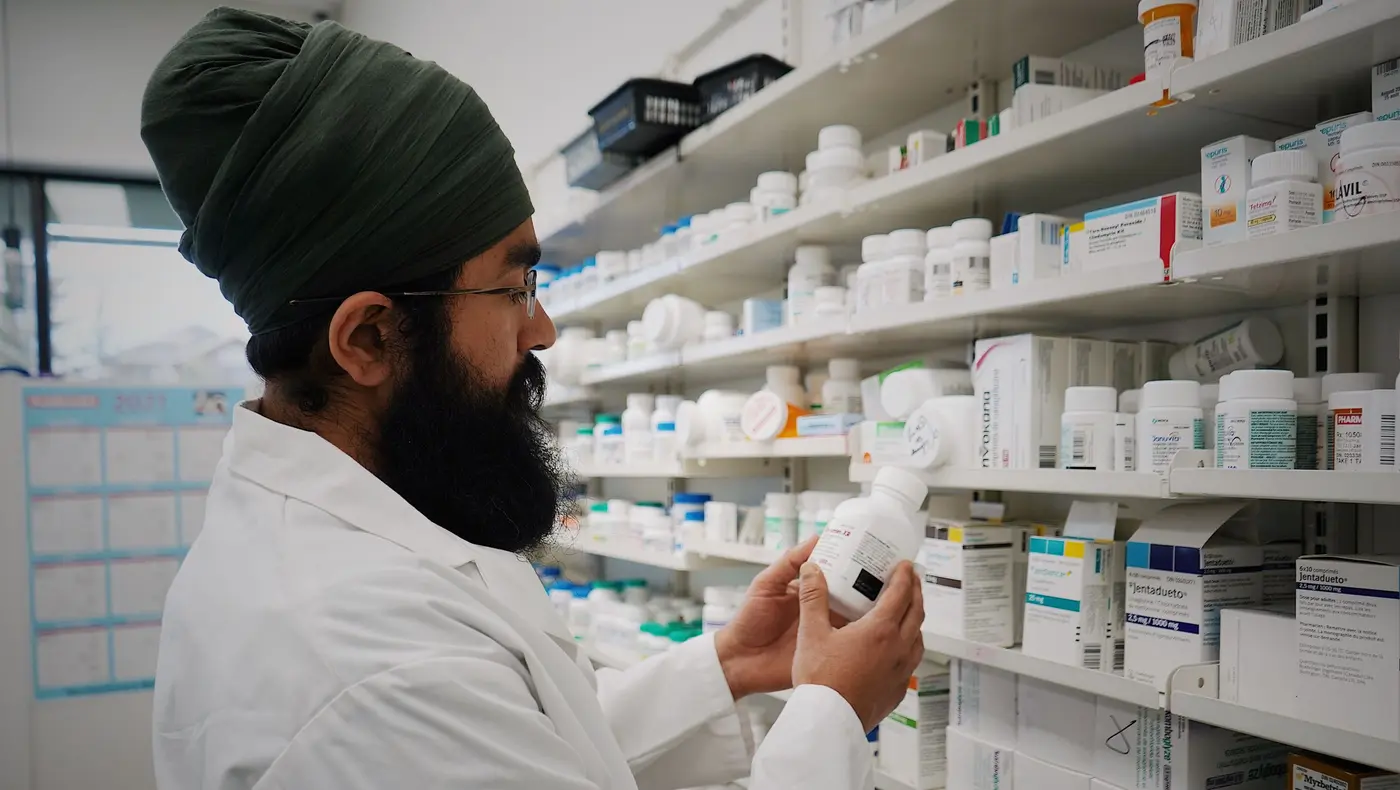
What a pharmacy needs that general billing software lacks
- Batch and expiry on every line, with first-expiry-first-out picking and near-expiry alerts.
- Expiry returns tracked against each distributor's return window and credit note.
- The drug licence number on every invoice, and the Schedule H and H1 registers that the inspector asks to see.
- Substitutes and salt search, so the counter can offer the generic.
- Distributor purchase imports, because retyping a 200-line purchase bill is where errors and evenings go.
The cheapest cloud apps do the first two adequately and the rest barely; Marg and the specialist tools do all five. That is the real difference between 800 and 16,000 rupees.
When is building worth it?
Never for one store, and not for five. A custom pharmacy system costs 15 to 40 lakh, must reproduce batch, expiry and the statutory registers before it adds anything, and then needs a developer for every rate change. The only buyers who build are chains with dozens of outlets wanting one stock pool and central purchasing, and online pharmacies, whose rules are a separate subject. The same group crossover, worked through, is in our hospital software guide.
How to read a pharmacy software quote
- Ask to see the near-expiry report on a demo, with real batches.
- Ask whether the price is per user and what a second counter costs.
- Ask about support charges from year two on one-time licences.
- Ask whether it imports distributor bills and in which formats.
- Ask for the data export if you leave; your sales and batch history are yours.
Questions people ask
How much does pharmacy software cost in India?
Marg ERP's editions cost about 5,550 to 26,000 rupees once plus 2,000 to 9,500 a year in support, MargBooks cloud 5,400 to 29,700 a year, and cloud billing apps such as myBillBook, BillClap and Vyapar 3,400 to 4,500 a year, with Accountune at about 799. Add 18 percent GST, which a chemist on the regular scheme can claim back.
What is the Marg pharmacy software price?
Published 2026 figures put Marg ERP's one-time editions at about 5,550 (Nano), 10,300 (Basic), 13,900 (Silver) and 26,000 (Gold) plus GST, with annual support of 2,000 to 9,500. Other sources quote higher one-time prices, so confirm with an authorised partner. A typical first year on Silver is about 16,000, then about 3,500 a year.
Which is the best billing software for a medical store?
The one whose near-expiry report you will actually use. Marg for a store that imports distributor bills and keeps statutory registers in the software; a cloud app such as myBillBook or BillClap for a single counter that mainly needs batch and expiry on invoices. Test the expiry workflow before the price.
What is the GST rate on medicines in 2026?
Five percent on most medicines since 22 September 2025, nil on a notified list of 36 life-saving drugs, and 18 percent on active pharmaceutical ingredients. Software carries 18 percent GST, which a regular-scheme chemist can claim as input credit.
Does a medical store need Marg or will Vyapar do?
Vyapar will do for a small counter that needs invoices with batch and expiry and little else. Marg is worth its price once you import distributor purchase bills, manage expiry returns across several distributors, or need the Schedule registers kept in the system.
How much does it cost to build custom pharmacy software?
Fifteen to 40 lakh, plus 15 to 25 percent of that a year, and it has to reproduce batch, expiry and the statutory registers before it adds anything. Only chains with dozens of outlets and central purchasing, or online pharmacies, have reason to.
Getting a real number
If you run one store, buy Marg or a cloud app this week, enter every batch with its expiry date, and read the near-expiry report every Monday. If you run a chain, the central system question is real, and we will price it honestly, including the case for staying on licences. What we build is on our web and SaaS development page.